

Sometimes, less really is more with videos.
That’s true whether you’re trying to highlight your company culture, promote your products or meet any other marketing goal.
Editing a corporate video is as much about subtraction as it is about storytelling. For every shot that makes it into the final cut, there’s usually one that didn’t. Not because it was poorly shot, but because it didn’t serve the story.
Key Takeaways
- What you cut matters as much as what you keep: The shots left out of a final edit are often just as responsible for a great corporate video as the footage that makes it in.
- Five shot types are common candidates for the cutting room floor: Shaky or out-of-focus footage, duplicate establishing shots, overly long moments, unusable audio, and cliché “expected” shots all tend to weaken a video more than help it.
- Shorter often means stronger: Audiences have limited patience, so trimming excess footage keeps videos focused and engaging rather than padded.
- Audio problems are a hard line: No matter how good a shot looks, audio that’s distracting or doesn’t match the visuals is reason enough to cut it.
- Cutting shots is a deliberate editing philosophy, not an afterthought: Studio Spero treats every frame as something that needs to earn its place in the final cut.
Why “Killing Your Darlings” Is Key for Corporate Videos
This can be one of the hardest lessons for editors and videographers to learn. Sometimes, you get a shot that looks absolutely perfect in isolation but just doesn’t fit into the story you’re trying to tell with your corporate video. It disrupts the flow or isn’t visually consistent with the rest of the footage you’ve shot. It can be hard and even frustrating, but it needs to be left on the cutting room floor.
| Shot Type | Why It Gets Cut |
| Shaky or out-of-focus footage | Can look unpolished and undercut a professional tone, even if emotionally compelling |
| Duplicate establishing shots | Repeats a visual already covered elsewhere in the edit, slowing the pace without adding value |
| Moments that run too long | Modern attention spans are short—lingering on one moment too long risks losing the viewer |
| Footage with unusable audio | No visual is strong enough to outweigh distracting or mismatched sound |
| “Expected” or cliché shots | Predictable shots (handshakes, ribbon-cuttings) rarely add anything new to the story |
Studies have found that 73% of people find videos between 30 seconds and 2 minutes to be best, so every second needs to count when producing a corporate video. They should be made to serve specific goals. It’s not just a collection of visually striking shots; it’s a sequence of carefully scripted and storyboarded footage that tells a story, showcases a product, or enhances your company’s goals. If a shot doesn’t fit in, it doesn’t belong in the final cut.
What Common Shots Should Be Cut from Corporate Videos?
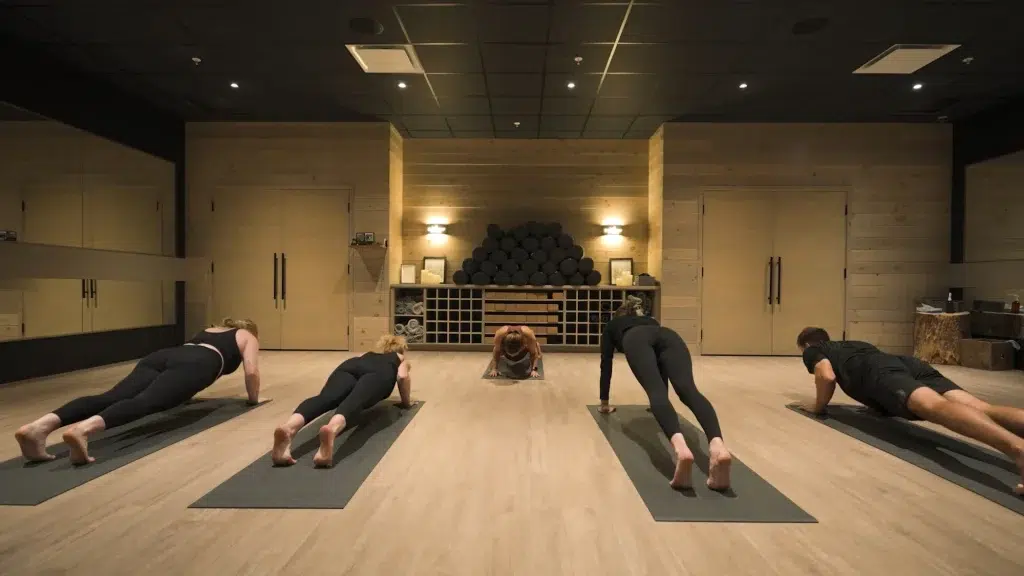
- Shaky, Out-of-Focus Footage
Shaky-cam footage might be a staple of big Hollywood blockbusters, but it doesn’t always have a place in corporate videos. Your video will reflect your company’s values and professionalism, and the footage in the final cut will serve as visual cues that tell the viewer just how seriously you take it.
Shaky or slightly out-of-focus moments can add a layer of authenticity and emotional value, but they often look less polished and professional and can detract from the goals you set for your video.
- Unneeded Establishing Shots
A wide-angle establishing shot of Calgary’s skyline can situate your company in the city where you work and connect with viewers in the city. Shots of your office that show happy employees hard at work can send a message about your corporate culture. They absolutely have value, but including too many establishing shots in a corporate video can disrupt its flow and serve very little purpose.
If an establishing shot feels like it’s duplicating a similar piece of footage that’s already included in the edit, it can feel distracting and get in the way of the story you’re actually trying to tell.
- The Moment That Runs 10 Seconds Too Long
The best corporate videos get to the point quickly. That doesn’t mean they need to feel like a string of quick cuts, but they also shouldn’t linger on one moment for too long. For example, in a testimonial video, having employees or clients speak about their experiences working with your company can be a powerful, engaging tool. But try to limit the length of their answers so that they’re short, concise and to the point.
Modern audiences have short attention spans and will tune out or click on another video if they get bored. Even in educational videos where there is a lot of information to get across, including graphics or animation can more effectively communicate a point than having someone speak to the camera without interruption for too long.
- Footage with Unusable Audio
The importance of audio in corporate videos can’t be overstated. Audiences will tune out immediately if there are distracting background sounds in your video or if the audio doesn’t match the on-screen visuals, so it’s important to get it right.
Sound mixing and editing can fix a lot of problems during post-production, and music can be added, as well, but the reality is that there are some shots where the audio is simply too distracting or disorienting for viewers. No matter how pleasing the visuals might be, these shots should never be included.
- Shots the Audience Expects
There are some shots that just feel like they’re too cliché. Think about a handshake between two businessmen in a suit, a ribbon-cutting or a bouquet toss at a wedding. They feel obvious or even boring, and can cause viewers to roll their eyes.
That’s not what your company is about, and when your corporate video is trying to convey what makes your company unique, these “expected shots” can actually take away from that messaging.
How Studio Spero Approaches Editing

When Studio Spero begins the editing process in post-production, there may be far more footage than needed for a short corporate video. Cataloguing all the shots and crafting a coherent story from the footage we’ve shot is critical to creating a final product that helps elevate our clients’ goals.
Cutting shots is about creating videos that flow seamlessly and engage viewers, and when we talk to clients and walk them through our editing decisions, they leave those conversations with a better understanding and a clearer sense of what we’re aiming to accomplish together.
When we cut a shot at Studio Spero, it’s always because of an editing philosophy that holds that every single frame of a video should be intentional. Tighter videos that cut unneeded shots don’t just look better, they also resonate more with audiences and are more effective at communicating their goals.
Shoot Your Next Corporate Video With Studio Spero
When Studio Spero works with a client, our goal is simple: to create a final product that not only meets our client’s expectations but also clearly and effectively elevates their marketing goals. Cutting shots is an important part of that, and our experience producing professional, engaging videos has taught us that sometimes less really is more when it comes to footage you just don’t need.
Tell us more about your project so we can help with your next video.
FAQ
Every shot captured during filming has value, but not every shot belongs in the final cut. A skilled editor knows that a tighter, more intentional video is more effective at engaging your audience and meeting your goals than one padded with footage that doesn’t serve the story.
Absolutely. Video footage can be repurposed again and again. It’s important to review whether old video footage is still relevant, but many companies build a library of footage and shots that can be reused for later videos. This can save time and money.
More elaborate videos will generally take longer, but Studio Spero will generally take between three to four weeks from start to finish. We can produce a video on tighter timelines if requested.
Before you start working with a professional videographer and/or editor, be sure to ask them about cost, timelines, what is included in the editing process and how many rounds of review you will be allowed. Ask to see their portfolio, as well, so that you can feel confident they are capable of producing the final product you’re hoping to see.