

Onboarding is one of the most important touchpoints in an employee’s journey, and more and more organizations are finding that training videos are much more effective than traditional paper documentation. The way people consume information is changing, and many new hires are more comfortable retaining information from video than from reading piles of paperwork.
Here’s why training videos work, what separates a good one from a great one, and how Studio Spero can help you get it right.
Key Takeaways
- Training videos and documentation work best together—video handles engagement, documentation handles depth.
- Employees retain significantly more information from short, well-produced videos than from lengthy written materials.
- The most effective training videos are under 5 minutes, script-tight, and built around a single focused topic.
- Compelling visuals do more than entertain—they show procedures in action, reducing misinterpretation.
- Professional production quality signals to new hires that your company takes onboarding seriously.
- Studio Spero videos typically take 3–4 weeks to produce, with fast-track options available.
The Challenge of Onboarding Documentation
In the past, bringing on new hires meant handing them a stack of documents so they could familiarize themselves with how your company does business. This method can be overwhelming, and there is no guarantee that new employees will read every word and retain the most important information.
New employees in the past might have started their new roles by being handed:
- Training manuals
- Onboarding binders
- E-mail instructions
- PDFs and SOP documents
All of those documents contain important information that employees need to understand. The pertinent question here is whether that traditional way of doing things is the most effective option. Are people reading every page? Are they retaining the information? Are they interpreting it correctly?
Documentation has its place in the onboarding process. There are certain in-depth topics during training where new hires can and should spend more time and familiarize themselves with the ins and outs, but there are many areas where supplementing documentation with video can deliver better results.
The Advantages of Onboarding Videos
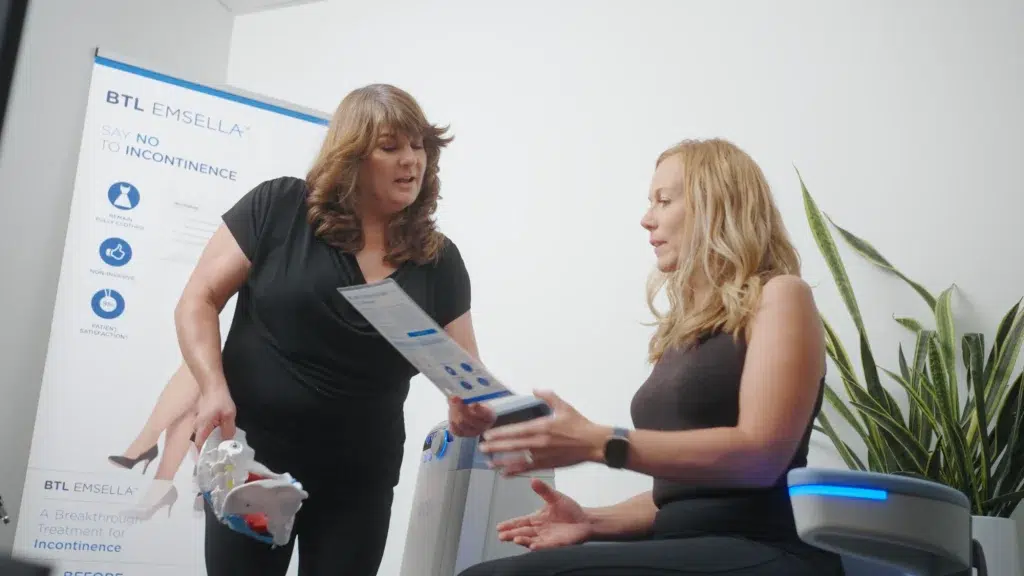
Onboarding videos are short, focused, and pack a punch by delivering essential information in a neat and organized way. When you’re integrating new employees into your organization, there will be a lot of new information to take in. Training videos are concise, to the point, and communicate exactly the information new hires need to retain in a format they’ll find easily digestible.
Advantages of training videos include:
- They communicate company values and culture in a way that text simply cannot match
- Younger hires are accustomed to video as their primary learning format—meet them where they are
- Consistent, clear messaging leaves no room for misinterpretation
- Completion can be tracked, ensuring key content is actually watched
- They save money over time by eliminating repeated printing and re-delivery of documents
- Visually demonstrating a process (like a safety procedure) is far more effective than describing it in writing
While training videos may not replace onboarding documentation entirely, they can be a great way to enhance the package presented to new staff.
Documentation vs. Training Videos: A Quick Comparison
| Training Videos | Documentation | |
| Best for | Culture, processes, safety demos, introductions | Policies, compliance detail, legal references |
| Engagement | High—visual, familiar, easy to consume | Lower—depends on the reader’s motivation |
| Retention | Strong—shown and heard, not just read | Variable — easy to skim or misinterpret |
| Scalability | Excellent—record once, use for every hire | Good—easy to update text, but less engaging |
| Misinterpretation risk | Low—consistent message every time | Higher—tone and intent can be misread |
| Production effort | Upfront investment, long-term savings | Low upfront, ongoing printing/distribution costs |
How to Create Great Training Videos
1. Write a Tight Script
It’s important when onboarding new staff that they not be overwhelmed or hit with conflicting messages. While training videos can be a little more informal than documentation, it still needs to stay on point and remain focused.
That makes having a tight script essential, and working with professionals can help you hone not only the messaging you’re trying to communicate in your training video but also how it’s best said. This prevents speakers from going off-message and complicating the information you are aiming for new staff to retain.
2. Keep It Short
The sweet spot for onboarding videos is 2 to 5 minutes per topic. Beyond that, engagement can drop, and retention suffers. Instead of cramming everything into one long video, break your training into a focused series, with each shorter video covering a single concept. This approach also makes it easier to update individual sections without remaking the whole series, and gives viewers natural pause points to absorb what they’ve learned.
3. Choose the Right Format
Not all training videos will be exactly the same during the onboarding process. What message are you trying to get across to your new staff? How can that best be communicated? You have lots of options, including:
- How-to and process demonstration videos
- Presenter or presenter-led explainer videos
- Culture and values testimonials featuring real team members
- Welcome and introductory videos from leadership
- Animated explainers for more complex or abstract concepts
4. Use Compelling Visuals
The most effective training videos don’t just repeat what’s in your documentation; they show it. If you’re explaining a safety procedure, demonstrate it on-camera. If you’re introducing a workflow, walk through it visually.
A training video’s visuals are a great tool not only for keeping viewers engaged but also for enhancing the messaging you’re trying to get across. Working with professional videographers will ensure you have visuals that match the quality of your company’s work.
How Working With Professional Videographers Improves Training Videos

A poorly produced training video doesn’t just fail to inform — it signals to new hires that your organisation doesn’t invest in quality. That’s the wrong first impression. That makes creating your own videos DIY-style risky, but working with professional videographers ensures you’ll not only have high-quality audio and visuals, but also a team to make sure your messaging is on-point and your script is tight.
Create Engaging Training Videos with Studio Spero
Training videos are an excellent way to capture new hires’ attention during the onboarding process and ensure they retain as much information as possible. Whether you’re starting from scratch or looking to upgrade an existing onboarding program, Studio Spero can help you build something that genuinely works.
Contact us today to get started.
FAQs About Training Videos
At Studio Spero, most projects take 3 to 4 weeks from brief to final delivery. If you’re working to a tighter deadline, reach out. We offer fast-track options depending on scope.
We recommend keeping individual training videos between 2 and 5 minutes. For more complex topics, it’s more effective to create a series of shorter videos than one long one. Shorter videos are easier to re-watch, reference later, and track for completion.
Senior leadership appearances can add authority and reinforce company culture, but they’re not essential. Professional actors, experienced on-camera staff, or a mix of both work equally well—what matters most is that whoever appears is comfortable, clear, and on-script.
No. Studio Spero’s team can help develop and refine your script as part of the production process, ensuring your messaging is sharp, accurate, and engaging before a single frame is shot.
Yes, and this is an important consideration. We’d recommend designing your video series with modularity in mind so individual sections can be re-recorded without remaking the entire production.
Studio Spero works with organizations across industries—from corporate onboarding and compliance training to product how-tos and company culture pieces. If you need people to understand something quickly and remember it, we can help.